
You open the Uber app in Phoenix looking for a robotaxi and the familiar Waymo option is gone. The cars that once mixed into the regular ride-hail fleet have disappeared from the platform. The quiet split between Uber and Waymo in Arizona’s largest city marks the end of a nearly three-year pilot that once looked like a model for cooperation.
Both companies confirmed the change. The partnership wound down in May 2026. Waymo folded the vehicles back into its own Phoenix fleet. Uber is already preparing a different autonomous partner for the market. The move reveals how the two former rivals are reshaping their strategies as robotaxi competition intensifies.
What the Phoenix Partnership Actually Looked Like
Phoenix served as the first city where Uber and Waymo worked together after years of legal and business tension. The deal, struck in 2023, let a small number of Waymo vehicles—roughly a dozen at peak—appear inside the Uber app for both passenger rides and some food deliveries.
It was always framed as a limited pilot. Uber used the collaboration to test how autonomous vehicles could sit alongside human drivers on its platform. Waymo gained access to Uber’s large rider base while still running its own service in the same city. For a while the arrangement worked. Riders could choose a Waymo through either app.
The dual presence made Phoenix unique. In Austin and Atlanta, Waymo vehicles remained exclusive to Uber for a longer period. In Phoenix the overlap eventually felt unnecessary once Waymo’s own network matured.
Why the Two Sides Decided to Split
Both companies described the end as the natural conclusion of a contracted pilot rather than an abrupt falling-out. Uber called Phoenix its first test market with Waymo and said the lessons helped it scale faster in Austin and Atlanta. Waymo noted that the vehicles had already returned to its independent fleet and would continue serving the community through its own app, plus partnerships with Via for transit and DoorDash for deliveries.
Practical realities also played a role. Running the same cars on two platforms created operational complexity. Waymo has grown large enough in Phoenix to fill seats without relying on Uber’s demand. Uber, meanwhile, prefers the flexibility to work with multiple autonomous providers rather than locking into a single partner in every city.
The broader relationship shows strain elsewhere. The companies are preparing to compete more directly in places like London. Reports later surfaced of discussions about the future of the remaining U.S. markets. Still, in Phoenix the official line stayed polite and transactional.
What Happens to Riders and the Local Market
If you live in or visit Phoenix, the practical change is straightforward. Waymo robotaxis remain available—just not through Uber. You book them in the Waymo app instead. Uber continues offering conventional rides and is preparing a new autonomous option it has not yet named.
The shift gives riders clearer choices. Some prefer the seamless experience of ordering everything inside one app. Others like supporting Waymo’s independent service. For the city overall, more autonomous vehicles operating under different brands could increase total supply and put mild pressure on pricing and wait times.
I have watched similar transitions in other markets. When an exclusive or semi-exclusive deal ends, the short-term confusion fades quickly once both sides communicate the new booking paths. Phoenix riders appear to be adjusting without major disruption.
The Bigger Picture for Robotaxi Partnerships
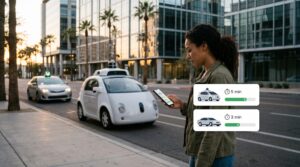
The Phoenix split highlights a larger industry pattern. Ride-hail platforms want access to autonomous fleets without becoming dependent on any single provider. Autonomous operators want direct relationships with riders and the ability to control their brand experience. Those goals only partially overlap.
Uber has made clear it intends to run hybrid networks that mix human drivers and robotaxis from various partners. Waymo continues expanding its own app presence across more cities while still cooperating selectively. The result is a more competitive, less cozy landscape than the early partnership announcements suggested.
Other cities will watch closely. Austin and Atlanta still have active Uber-Waymo service, yet the companies have already signaled that exclusivity there has an end date. New markets may see multiple robotaxi brands from the start rather than single-partner pilots.
FAQ
When did the Uber-Waymo partnership end in Phoenix?
The operational split occurred in May 2026. Public confirmation came in late June after riders noticed the vehicles missing from the Uber app.
Are Waymo cars still available in Phoenix?
Yes. They operate through the Waymo app and continue local partnerships for transit and deliveries.
Does this affect Austin and Atlanta?
No. Waymo vehicles remain available on Uber in those cities for now, though future exclusivity is not guaranteed.
Why was the Phoenix deployment so limited?
Uber described it as an intentional pilot with just over a dozen vehicles dedicated to the program so both sides could learn before scaling.
Is Uber bringing another robotaxi partner to Phoenix?
Uber has said it is preparing a separate autonomous vehicle partnership in the city but has not named the provider.
Does this mean Uber and Waymo are completely finished working together?
Not yet. They continue cooperating in other U.S. markets, even as competitive tensions rise in additional cities.